
Cocaine is one of the most talked-about illegal substances in the United Kingdom, yet many people are unaware of the coded language surrounding it. Understanding Slang for Cocaine UK is important for parents, educators, and communities who want to recognize warning signs and stay informed. Street names often hide serious risks behind casual words. In this article, we explore common UK slang terms, why they are used, and the dangers linked to cocaine misuse.
Why Drug Slang Exists in the UK
Drug slang has existed for decades. In the UK, informal language around cocaine developed to avoid law enforcement detection and to make conversations seem harmless. Young people sometimes use coded terms on social media or in text messages, making it harder for adults to identify risky behavior.
Slang terms change quickly. What was common in the 1990s may no longer be popular today. This constant evolution helps users communicate discreetly. It also makes awareness and prevention more challenging.
Common Slang for Cocaine UK
In the UK, cocaine is often referred to by informal names such as “coke,” “charlie,” “snow,” “powder,” “white,” or “gear.” Some of these terms are widely known, while others may be region-specific.
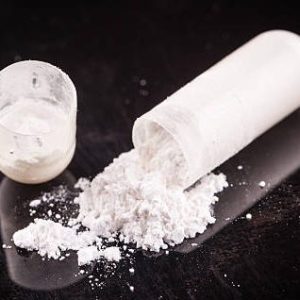
“Charlie” is one of the most common slang names in England and Wales. “Snow” and “white” refer to the drug’s powdery appearance. “Gear” can sometimes refer to heroin, but in certain contexts it may also mean cocaine, which creates confusion.
Because slang words overlap between different substances, misinterpretation is common. This highlights the need for context when interpreting conversations.
The Cultural Influence Behind Cocaine Slang
Cocaine slang in the UK has been influenced by music, nightlife, and media. British club culture in cities like London and Manchester has historically played a role in spreading certain street names. Social media has accelerated this trend, allowing slang to spread rapidly across regions.
Television dramas and films sometimes normalize slang terms without showing the full consequences of drug misuse. As a result, certain words may seem casual or harmless when the underlying risks are serious.
Health Risks Linked to Cocaine Use
While slang may make cocaine sound less threatening, the health risks are significant. Cocaine affects the central nervous system, increasing heart rate and blood pressure. Short-term effects can include anxiety, paranoia, and irregular heartbeat. Long-term use can damage the heart, brain, and respiratory system.
According to public health reports, Cocaine Deaths uk have risen in recent years. This increase reflects stronger drug purity levels and mixing with other dangerous substances. Cocaine-related fatalities often involve heart attacks, strokes, or toxic combinations with alcohol.
How Slang Can Hide Warning Signs
Parents and teachers may miss warning signs if they do not recognize coded language. For example, a message mentioning “getting some snow tonight” may appear harmless. Without context, it can easily be misunderstood.
Understanding slang allows families to ask informed questions rather than jumping to conclusions. Open communication is more effective than confrontation. Awareness does not mean suspicion; it means staying informed.
The Legal Status of Cocaine in the UK
Cocaine is classified as a Class A drug under the Misuse of Drugs Act 1971 in the UK. Possession can result in up to seven years in prison, an unlimited fine, or both. Supplying or producing cocaine can lead to life imprisonment.
Legal consequences are severe, and a criminal record can affect employment, travel, and education opportunities. Despite these penalties, demand continues, often hidden behind slang and coded communication.
Why Awareness Matters More Than Ever
The rise of online communication has made slang even more creative. Words can be disguised with emojis, abbreviations, or spelling variations. Because of this, staying updated on common terminology helps communities respond effectively.
Education campaigns in the UK focus not only on the dangers of drugs but also on recognizing hidden language patterns. Schools and health organizations increasingly emphasize prevention through awareness.
Talking About Cocaine Slang Safely
When discussing slang terms, it is important to keep the conversation educational rather than promotional. The goal is awareness, not normalization. Communities benefit when information is accurate, balanced, and grounded in public health research.
If someone suspects drug misuse, professional help should be sought through local health services, NHS support lines, or licensed treatment centers. Early intervention significantly improves recovery outcomes.
Slang for Cocaine UK: A Closer Look at Modern Trends
Slang for Cocaine UK continues to evolve alongside digital culture. Online messaging apps and encrypted platforms allow coded language to spread quickly. In some cases, slang becomes so common that it enters mainstream conversation, making detection even harder.
However, increased public discussion about drug safety, addiction treatment, and mental health has improved awareness. Government campaigns and nonprofit organizations regularly publish updated data to educate the public.
Prevention Through Education
Prevention starts with knowledge. By understanding slang terms, communities can identify risky situations early. Schools can include drug awareness sessions that explain how street language masks serious harm. Parents can monitor conversations respectfully and maintain trust with their children.
Clear information reduces myths. Cocaine is often portrayed as a “party drug,” but the reality includes addiction, mental health decline, and potential fatal consequences.
Conclusion
Understanding Slang for Cocaine UK is not about curiosity; it is about awareness and safety. Street names may sound casual, but the health, legal, and social consequences of cocaine use are severe. Rising cocaine-related deaths in the UK underline the urgency of education and prevention. By staying informed, families and communities can better recognize warning signs and respond appropriately. Awareness, open dialogue, and access to professional support remain the most effective tools for reducing harm.
Frequently Asked Questions
1. Why is it important to know slang for cocaine in the UK?
Recognizing slang helps parents, teachers, and communities identify possible warning signs and respond appropriately. It supports early intervention and prevention.
2. Are cocaine-related deaths increasing in the UK?
Yes. Public health data shows an increase in cocaine-related fatalities in recent years, largely due to higher purity levels and dangerous drug combinations.
3. What should someone do if they suspect cocaine misuse?
They should seek advice from healthcare professionals, contact NHS drug support services, or consult licensed addiction treatment providers for guidance and support.
Leave a Reply